Hit2.4×
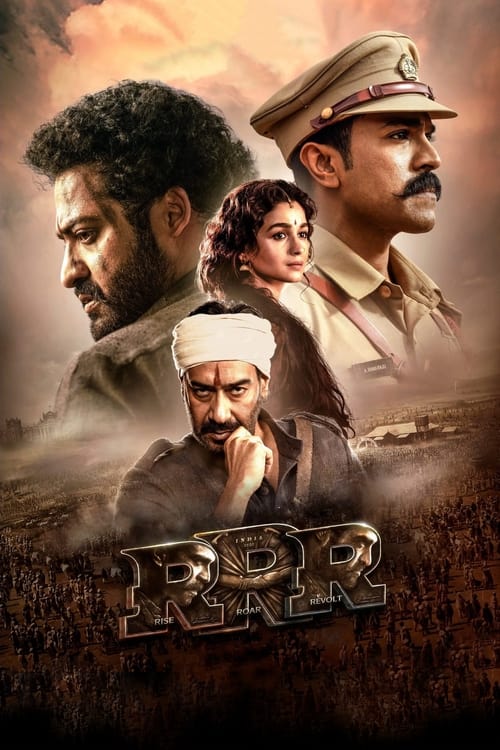
RRR
Telugu-language cinema, based in Hyderabad and serving Andhra Pradesh and Telangana. Since 2021 it has repeatedly out-grossed Hindi cinema at the Indian box office, driven by pan-India releases shot in Telugu and dubbed nationwide. The industry is built on large-scale, hero-led storytelling, an unusually formal territory-based distribution system, and a fan culture that turns an opening day into a public event.
1,086 films · 4,540 people







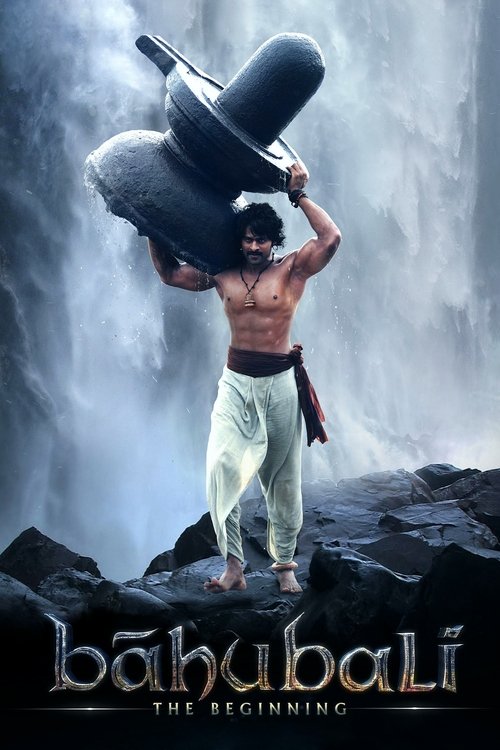



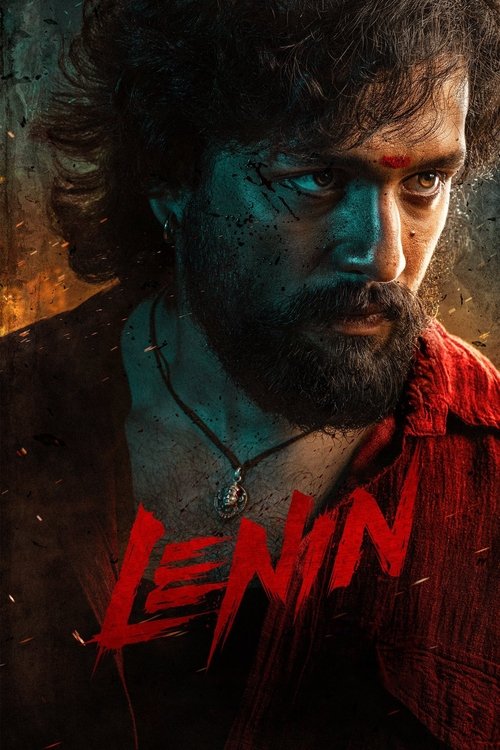

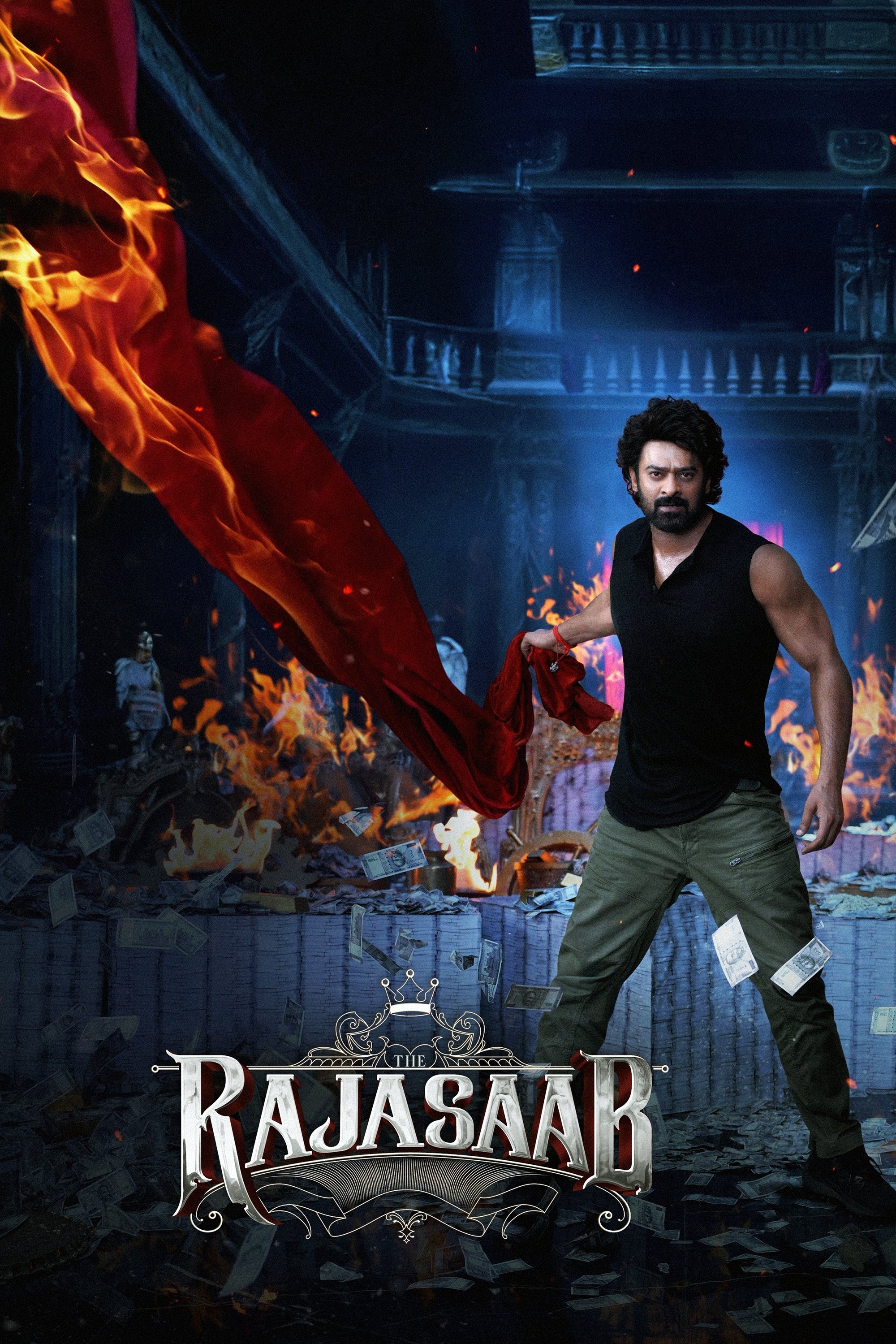
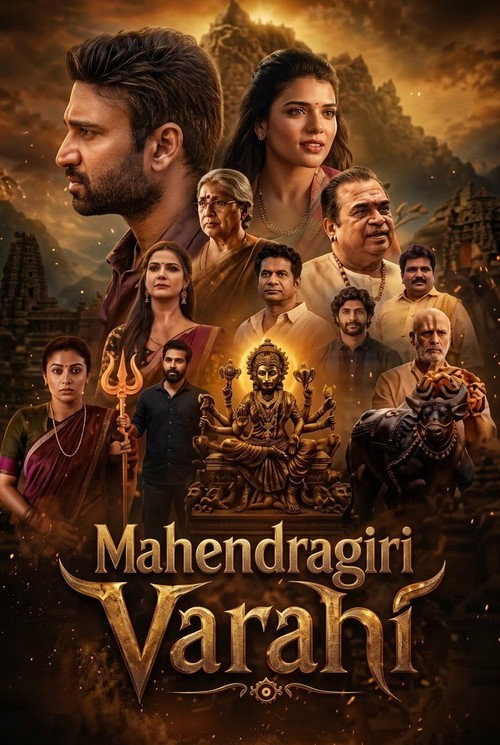
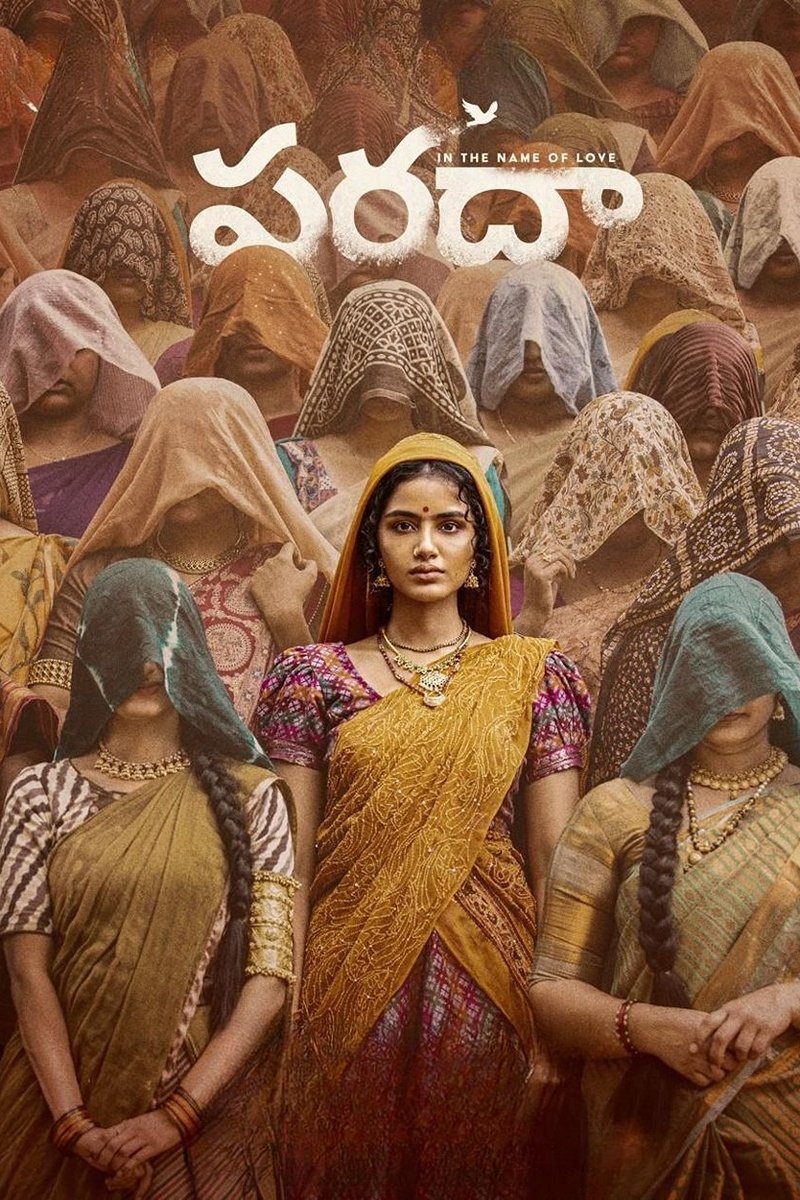


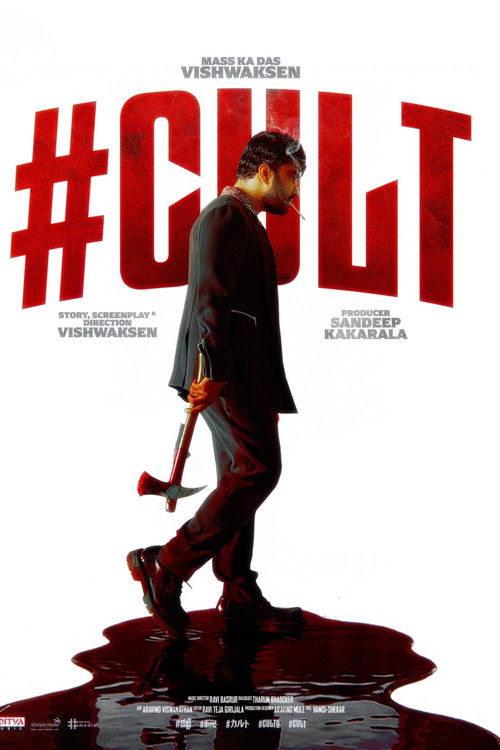
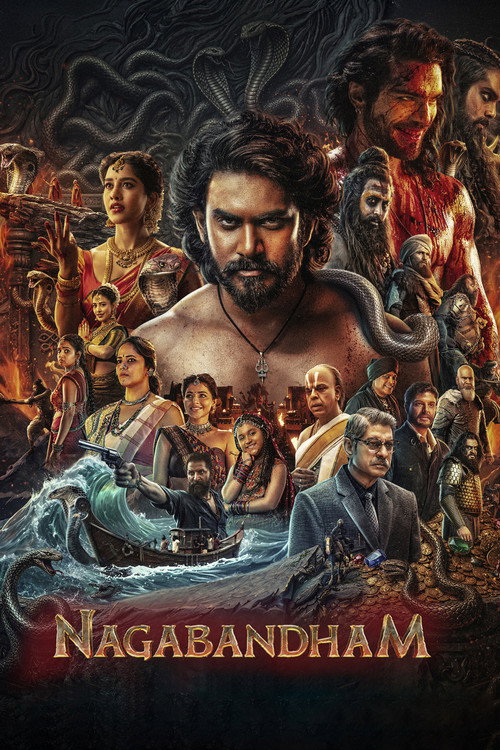
Telugu cinema begins with Raghupathi Venkaiah Naidu, who was exhibiting and then producing films from 1912, and reached sound with Bhakta Prahlada in 1932. For roughly its first fifty years the industry worked out of Madras, now Chennai, sharing crews and studios with Tamil production. The move to Hyderabad ran from the 1970s through the 1990s, anchored by studio investment: Annapurna Studios, founded by the actor Akkineni Nageswara Rao, and later Ramoji Film City, still the largest film studio complex in the world. The name is borrowed. "Tollywood" was coined around 1932 for Bengali cinema, whose studios sat in the Tollygunge district of Calcutta. Telugu cinema adopted the term much later, and both industries still use it, which is why the word is ambiguous outside India. The classical period set the canon. Mayabazar (1957) is still routinely voted the finest Indian film ever made in domestic polls. K. Viswanath's Sankarabharanam (1980) demonstrated that a film built on Carnatic music could carry a mass audience, and the mythological and folklore traditions established a taste for spectacle that never really left. Distribution here works unlike most of the world. A Telugu release is sold territory by territory: Nizam, Ceded, Uttarandhra, Guntur, Krishna, Nellore, and East and West Godavari, then Karnataka, rest of India and overseas. Trade reporting follows those same territories, which is why Telugu box office is discussed in distributor "share" rather than gross, and why a film can be a hit in one territory and a loss in another. The calendar is equally structured. Sankranti in January is the largest release window of the year, with Dussehra second. Major star vehicles are positioned against those dates years ahead, and the resulting collisions are themselves industry news. Four film families shape much of the casting and production: Akkineni, Nandamuri, Konidela and Daggubati. Their presence across generations is closer to a studio system than to conventional star power. The modern turn is well documented. S. S. Rajamouli's Baahubali (2015 and 2017) proved a Telugu film could open nationally rather than regionally, RRR (2022) won the Academy Award for Best Original Song for "Naatu Naatu", and Sukumar's Pushpa films extended the pattern. The commercial effect is measurable: Telugu cinema released 219 features in 2022, and in the years after the pandemic it has repeatedly led India at the box office, with Ormax placing Telugu at roughly $212 million against Hindi at $197 million. One piece of context explains a recurring news story. The 2014 division of Andhra Pradesh left the industry physically in Telangana while a large share of its audience and distribution sits in Andhra Pradesh, which is why ticket pricing policy in either state is treated as industry-wide news.